
Iiwari Care · Supported housing for people with intellectual disabilities
Care intensity as data – and help close at hand
In 24-hour supported housing units, care intensity defines the service class and the invoicing. At the same time, challenging situations are part of everyday work, and a nurse often needs a colleague on the spot fast.
Iiwari Care answers both: care intensity data is generated automatically without a stopwatch, and the nurse's own duress button brings help to the right room without searching. Residents are not located.
Part of the same whole: a location-aware nurse call, a real-time situational picture, automation and care work data.
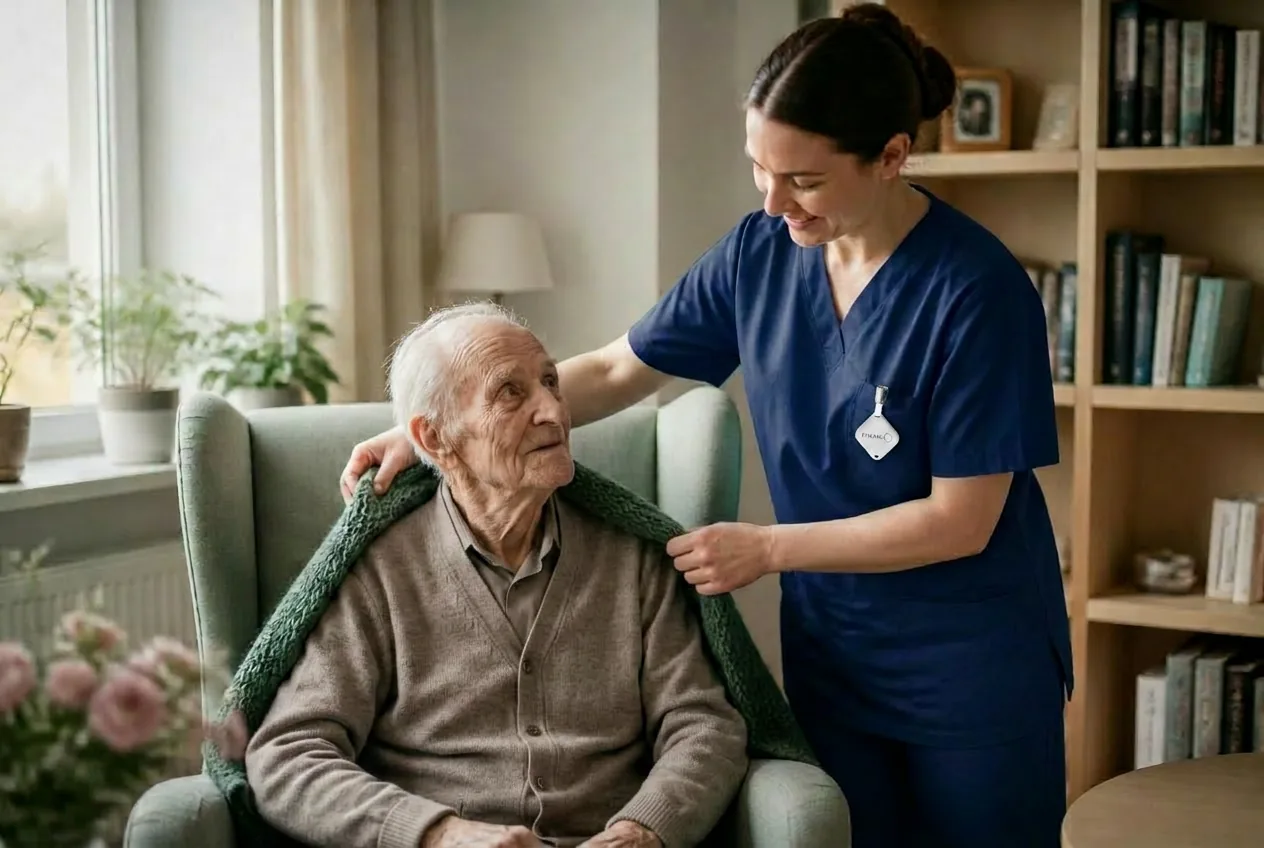
What is different
A supported housing unit is not a care home
Iiwari Care is adapted to the way supported housing units work and to their privacy requirements.
Residents are not located
Locating a resident is legally a restrictive measure that is not taken lightly. The system therefore does not track how a resident moves around the unit – the safety wristband is for calling help, not for locating.
Measurement is based on staff devices
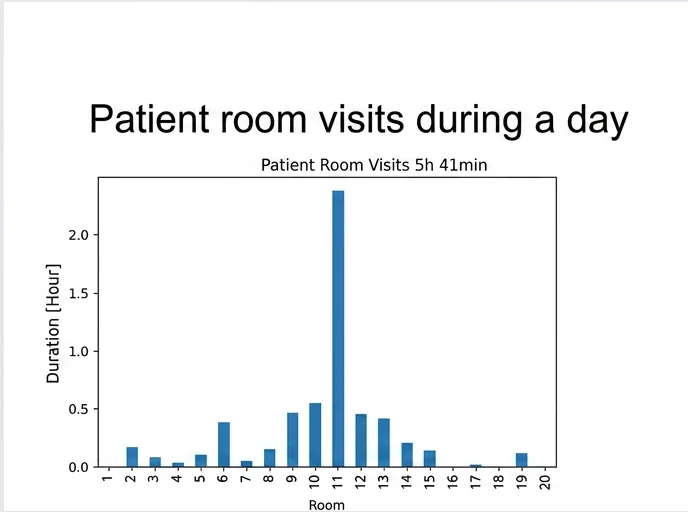
Care intensity data comes from staff tags, time spent in rooms and alarm events.
Residents still have a call button
A resident calls for help with their own button, and staff see immediately which room the call came from.
Staff safety
A colleague on the spot fast in challenging situations
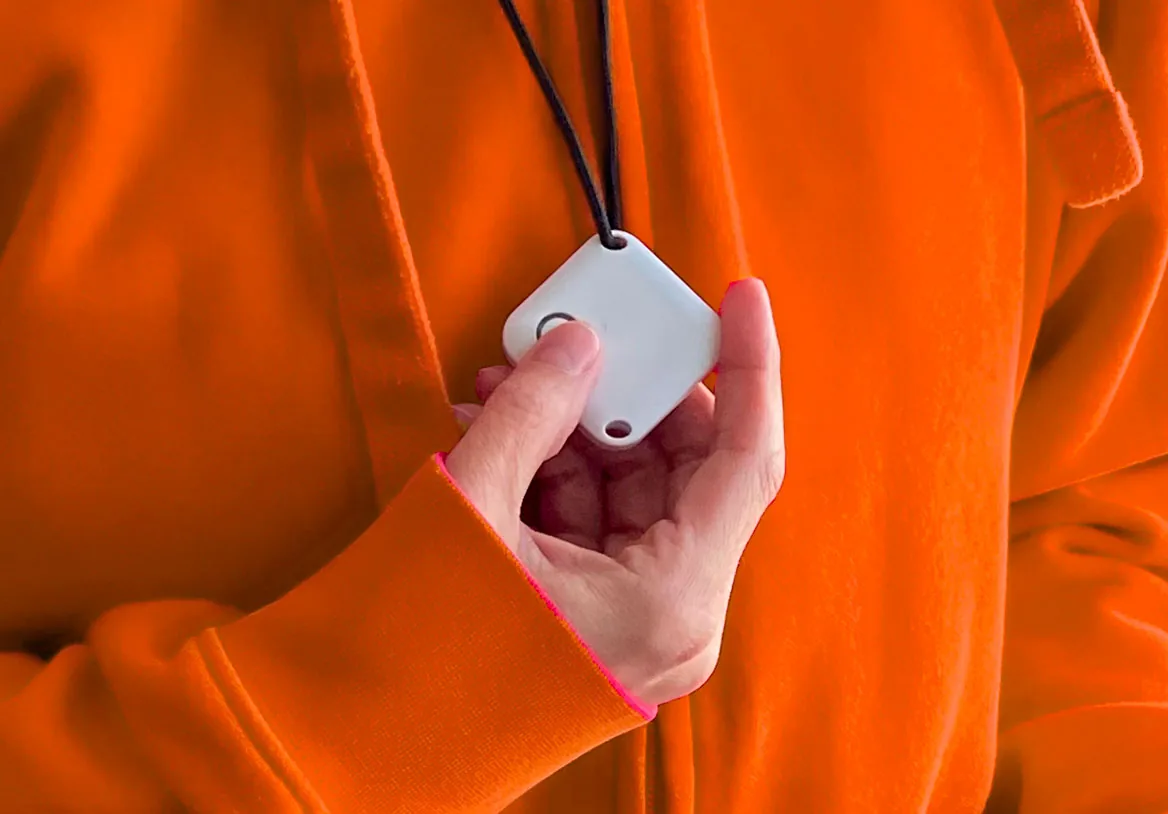
Challenging situations are part of daily life in supported housing. When a nurse needs backup, the request must go out with one press, and the arriving colleague must know instantly where to go.
Two alarm levels
A nurse can request non-urgent backup or raise an urgent alarm with their own duress button.
The alarm carries a location
Other staff see immediately who is asking for help and which room they are in.
Help finds the right room
No searching corridors or calling around. Seconds go into moving, not into finding out where to go.
Events are logged
Alarms, response times and the sequence of events are recorded automatically for later review and occupational safety reporting.
Care intensity and service class
Defining the service class without a stopwatch
Manual care intensity measurement is typically done in two-week periods twice a year. Iiwari Care produces the same information continuously and automatically.
Today: the stopwatch
- A manual two-week measurement period twice a year
- The sample only covers a short window of time
- Logging takes staff time away from care itself
- Estimate-based classification that is hard to verify afterwards
Iiwari Care: continuous measurement
- Continuous data with no separate measurement periods
- Real care minutes per room
- A report straight from any chosen period
- An objective basis for the service class and invoicing
Privacy
The resident's right to self-determination stays intact
- Resident location is neither collected nor stored.
- The data collected concerns staff work: time in rooms, alarms and response times.
- Only named users in the unit can access the data, according to their role.
- Data is stored in the EU and processing is agreed in writing.
FAQ
Questions about supported housing units
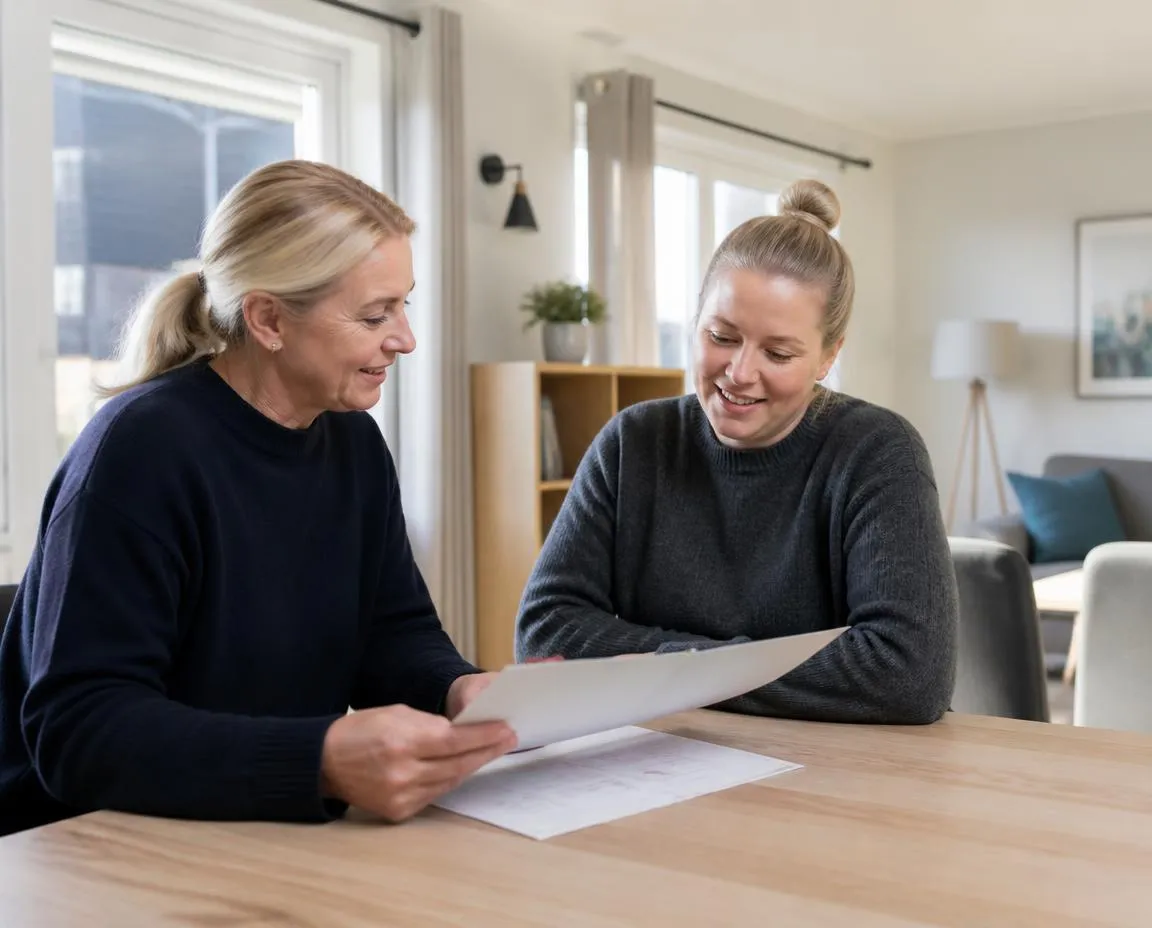
Want to see how this works in your unit?
Book a free demo and we will walk through care intensity measurement, the staff duress button and privacy from the perspective of a supported housing unit.
Book a demo